
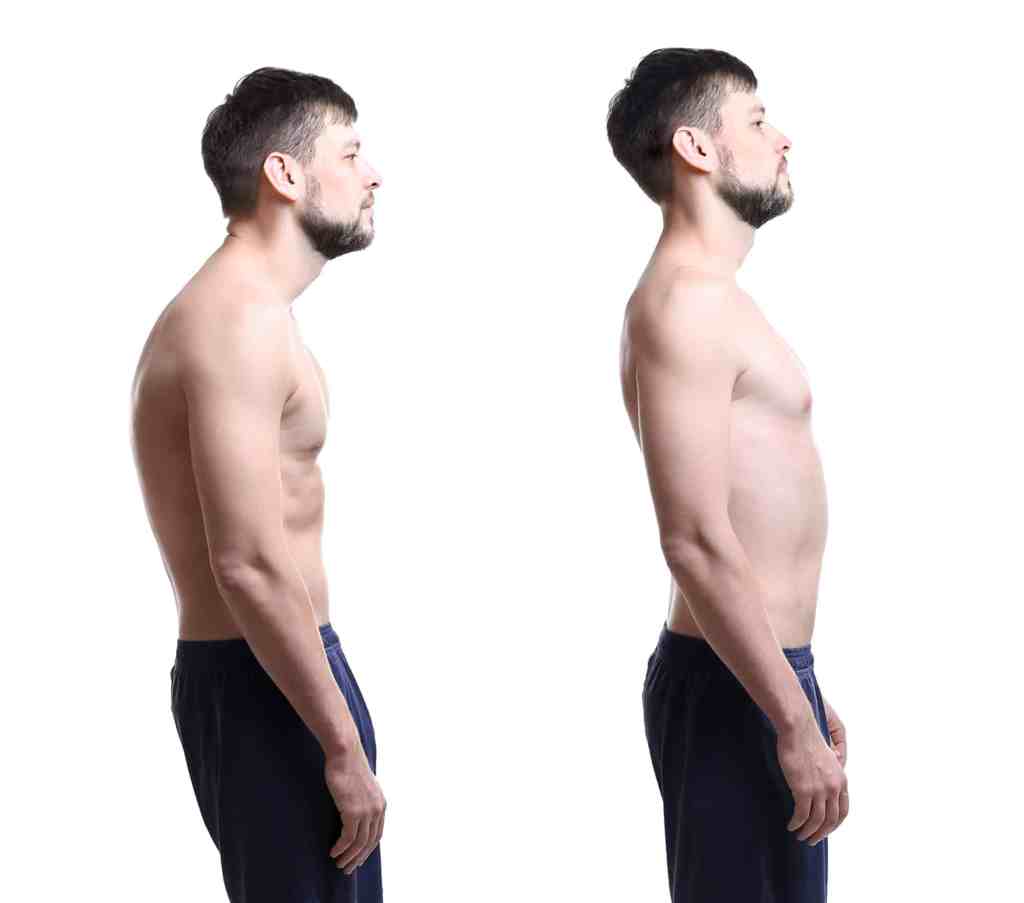
Posture is something most people rarely think about, yet it plays an important role in overall health and daily comfort. The way the body is positioned while sitting, standing, or moving can influence how muscles, joints, and even internal systems function. Good posture supports balance and efficiency in the body, while poor posture can gradually lead to discomfort and strain.
When the body is properly aligned, muscles and joints can work together more effectively. This alignment allows movement to feel smoother and more natural, reducing unnecessary tension. In contrast, poor posture can place uneven stress on certain areas of the body, particularly the neck, shoulders, and lower back. Over time, this imbalance may lead to stiffness or discomfort, especially for people who spend long periods sitting.
Posture also affects how the body handles everyday movements. Simple actions such as walking, lifting, or even standing can become more efficient when the body is aligned properly. Good posture helps distribute weight evenly, which can reduce strain on joints and support better overall mobility. This becomes increasingly important over time, as maintaining movement quality can help preserve long-term physical function.
Another important aspect of posture is its connection to muscle function. When posture is balanced, muscles can activate in a more coordinated way. Poor posture, on the other hand, can cause certain muscles to become overworked while others are underused. This imbalance may lead to fatigue or reduced stability, making it more difficult for the body to maintain proper movement patterns.
Breathing is also influenced by posture. The position of the upper body can affect how easily the lungs expand. When posture is upright and open, breathing can feel more natural and efficient. Slouched or compressed positions may restrict this movement, which can subtly affect how the body takes in oxygen over time.
Posture can even influence how a person feels throughout the day. When the body is aligned and supported, it often contributes to a greater sense of comfort and stability. Poor posture, especially when maintained for long periods, may lead to tension that affects both physical and mental well-being. Over time, these small effects can add up and influence overall energy levels.
Modern lifestyles can make maintaining good posture more challenging. Many people spend hours sitting at desks, using computers, or looking at screens. These habits can encourage positions that place strain on the body if not balanced with movement and awareness. Taking regular breaks, adjusting sitting positions, and incorporating movement throughout the day can help reduce this strain.
Improving posture does not require sudden or extreme changes. Small adjustments in daily habits can gradually make a difference. Becoming more aware of how the body is positioned, keeping movement regular, and supporting muscle strength can all contribute to better alignment over time.
Good posture is not just about appearance; it is about how the body functions as a whole. Proper alignment supports movement, reduces unnecessary strain, and contributes to overall comfort. By paying attention to posture and making simple adjustments, it is possible to support long-term health and maintain better physical balance in everyday life.



 helvixia.com
Leave a comment