
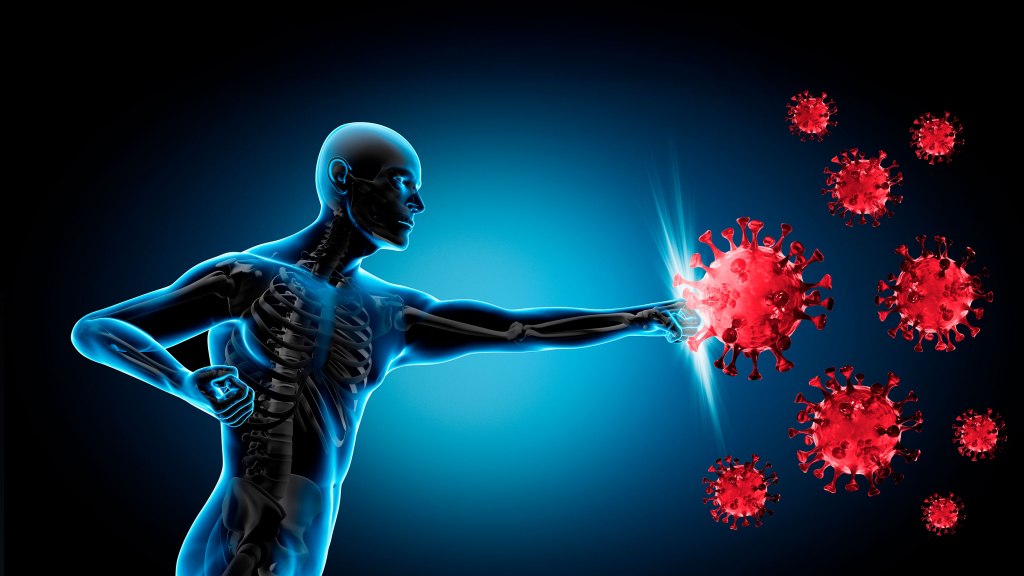
The immune system is one of the most important defense mechanisms in the human body. It works continuously, often without any noticeable signs, to protect against harmful substances, infections, and internal imbalances. Every day, the body is exposed to bacteria, viruses, and other potential threats, and the immune system plays a central role in identifying and responding to them.
At its core, the immune system is a complex network of cells, tissues, and processes that work together to maintain balance. Its primary function is to recognize what belongs in the body and what does not. When something unfamiliar enters the system, the body begins a response aimed at neutralizing or removing it. This process happens constantly, even when a person feels completely healthy.
One of the first lines of defense is the body’s physical barriers. The skin, for example, acts as a protective layer that prevents many harmful elements from entering. Inside the body, additional defenses exist, such as protective linings and natural secretions that help limit exposure to unwanted substances. These barriers are always active, forming the first step in everyday protection.
If something manages to get past these initial defenses, the immune system activates a more direct response. Specialized cells begin to identify and target the potential threat. These cells can communicate with each other, coordinate actions, and adapt based on what they encounter. This ability to respond and adjust is what makes the immune system highly effective.
Another important feature of the immune system is its ability to remember. After encountering certain threats, the body can respond more efficiently if it faces them again in the future. This adaptive capability helps strengthen the body’s defenses over time and plays a role in long-term protection.
The immune system does not work in isolation. Its effectiveness is closely connected to overall health and daily habits. Factors such as nutrition, sleep, physical activity, and stress levels all influence how well the immune system functions. When the body is well-supported, the immune system can operate more efficiently and maintain balance more effectively.
Sleep, for example, allows the body to carry out essential recovery processes, including those related to immune function. During rest, the body can regulate and strengthen its natural defenses. Similarly, balanced nutrition provides the nutrients needed to support immune cells and their activity. Regular physical activity helps maintain circulation, which allows immune cells to move efficiently throughout the body.
Stress can also influence the immune system. Short-term stress is a normal part of life, but ongoing stress may place strain on the body and affect its ability to respond effectively. Managing stress through balanced daily routines can help support overall immune function.
Hydration plays a role as well, as it supports many processes in the body, including those related to circulation and cellular function. Even simple habits like drinking enough water throughout the day contribute to maintaining the body’s natural defenses.
The immune system is constantly active, even when it is not noticeable. It works quietly in the background, identifying potential threats and maintaining balance within the body. By supporting overall health through consistent daily habits, it is possible to help the immune system perform its role effectively.
Understanding how the immune system works highlights the importance of taking care of the body as a whole. Rather than relying on a single factor, it is the combination of healthy habits that supports long-term immune function and overall well-being.



 helvixia.com
Leave a comment